Quick answer
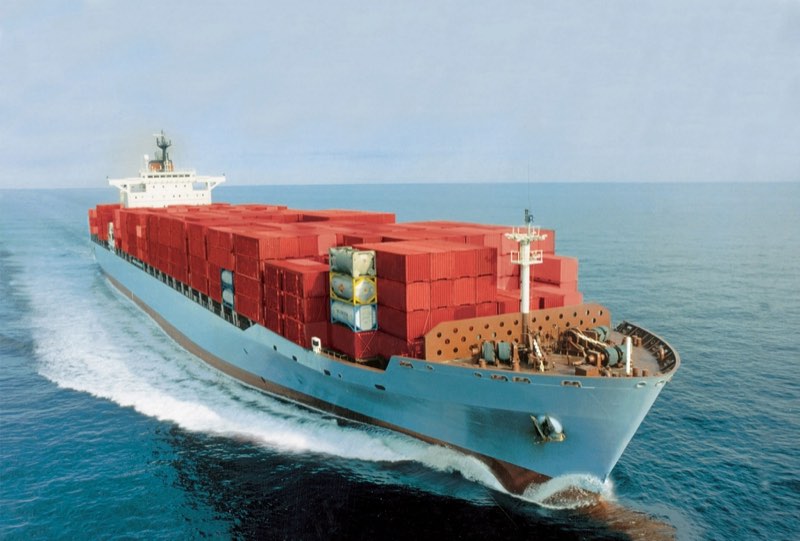
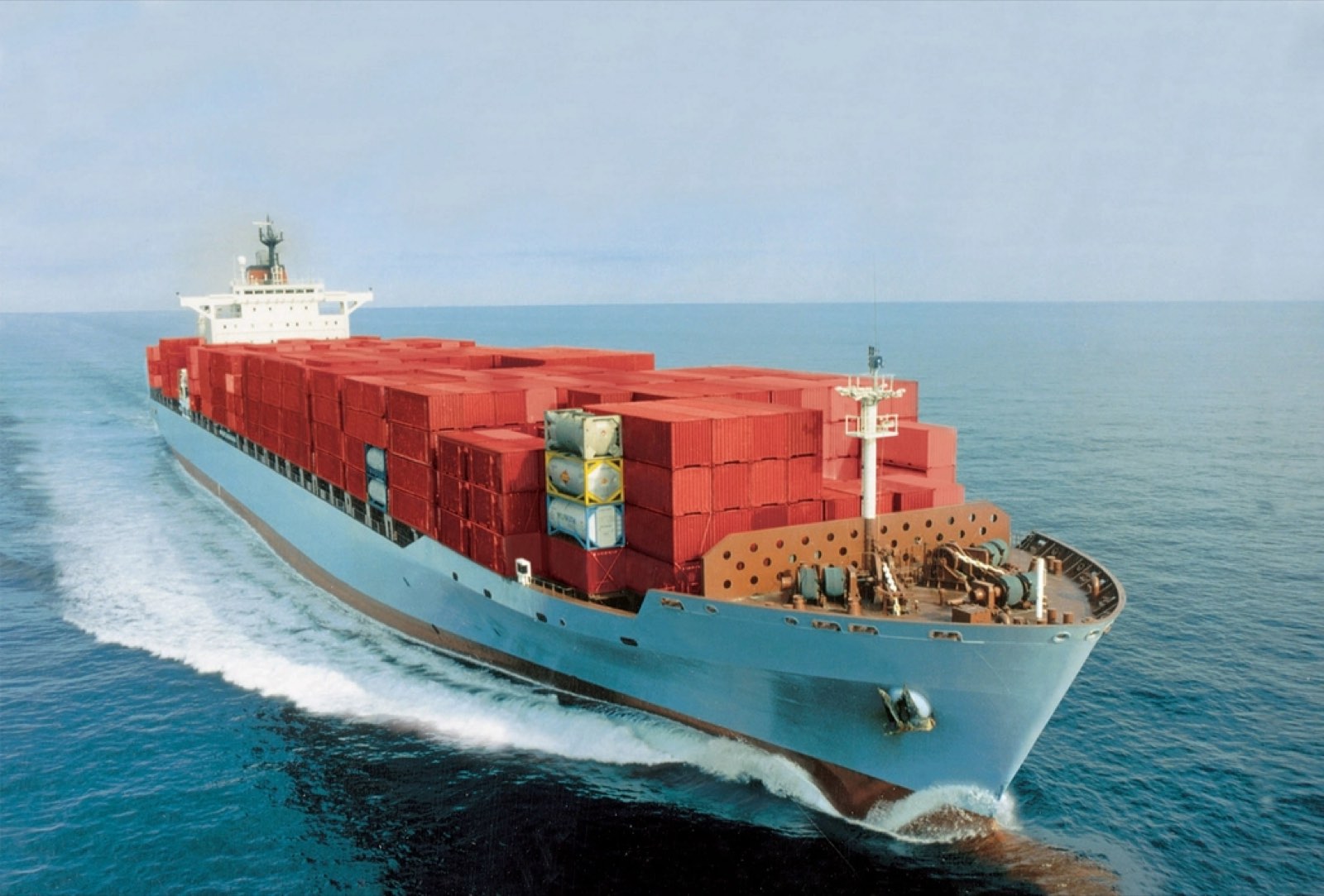
Incoterms decide who pays for transport and who carries the risk at each stage. EXW: you handle everything from the factory door. FOB: the supplier delivers the goods loaded on the ship in China; you pay sea freight and everything after. CIF: the supplier also pays freight and insurance to the Indian port, but risk passes to you at loading. DDP: the seller delivers to your door with duty paid. Most Indian importers buy FOB and appoint their own forwarder.
The four Incoterms importers use most
| Term | Supplier pays | You pay | Risk passes to you |
|---|---|---|---|
| EXW (Ex Works) | Goods ready at factory | Pickup, China export clearance, freight, Indian customs, delivery | At the factory |
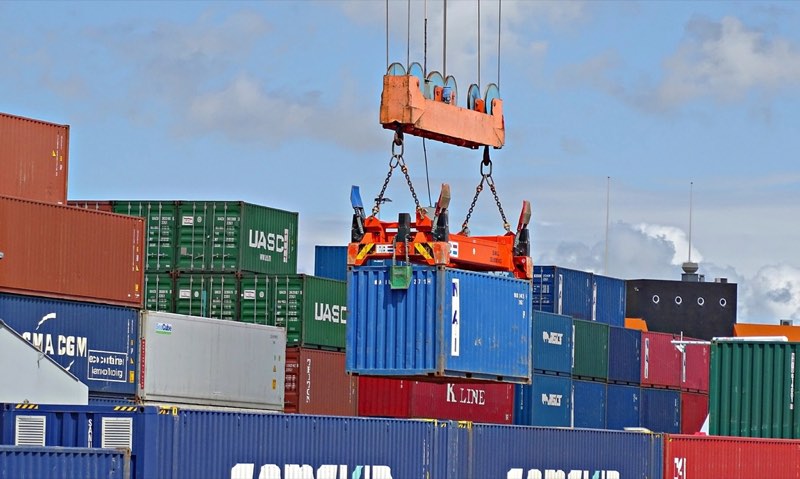
| FOB (Free On Board) | Goods, China inland transport, export clearance, loading | Sea freight, insurance, Indian customs, delivery | Once loaded on the ship in China |
| CIF (Cost, Insurance, Freight) | As FOB plus sea freight and minimum insurance to India | Indian port charges, customs, delivery | Once loaded on the ship in China |
| DDP (Delivered Duty Paid) | Everything, including Indian duty | Nothing beyond the agreed price | At your door |
Why FOB is usually the best choice
- You choose your own freight forwarder and see the real freight cost.
- The supplier handles Chinese export clearance, which is hard to manage from India.
- Your Indian customs broker gets clean documents in your name.
With CIF, the supplier picks the shipping line. Freight can look cheap on the invoice, but high destination charges sometimes appear at the Indian port. Ask for those charges in writing before you agree.
When EXW or DDP makes sense
EXW only works if your forwarder can collect and clear export in China. It's common in trade-fair and market buying, where you consolidate goods from several suppliers.
DDP is convenient for small shipments and first orders, but the duty and clearance are handled by someone else, so make sure the goods are declared correctly in India. Incorrect declarations can still cause problems for the receiver.
Tips for using Incoterms
- Write the term with a named place and the version: e.g. "FOB Ningbo, Incoterms 2020".
- Make sure the proforma invoice, commercial invoice and contract use the same term.
- Insure the goods yourself under FOB; CIF insurance is usually the legal minimum.
- Remember that customs duty is charged on the CIF value whatever term you buy on. Use the landed cost calculator to see the full cost.
Frequently asked questions
Is FOB or CIF cheaper for importing to India?
+
The invoice price is lower on FOB, but the total depends on the freight you get. FOB with your own forwarder usually gives more control and fewer surprise charges at the Indian port.
What does FOB Shenzhen mean?
+
The supplier delivers the goods loaded on the ship at Shenzhen (Yantian or Shekou). You pay the sea freight and everything after that.
Does the Incoterm change my customs duty?
+
No. Indian customs charges duty on the CIF value, so if you buy FOB the actual freight and insurance are added.
This guide is general information, not legal or customs advice. Duty rates and import rules change — confirm current requirements for your HS code with DGFT, CBIC or a licensed customs broker.