Quick answer
To import from China to India: (1) get an Import Export Code (IEC) from DGFT, (2) find your product's HS code and check duty, BIS and Quality Control Order rules, (3) find and verify a supplier, (4) approve samples and pay a deposit, (5) inspect goods before paying the balance, (6) ship by sea or air, and (7) clear customs by filing a Bill of Entry on ICEGATE and paying duty. A typical first shipment takes 6–10 weeks.
Step 1: Get your Import Export Code (IEC)
Every business importing goods into India commercially needs an Import Export Code (IEC), issued online by the Directorate General of Foreign Trade (DGFT). The IEC is linked to your business PAN, and you apply on the DGFT portal with your PAN, Aadhaar or other ID, address proof and a bank account (cancelled cheque or bank certificate).
The IEC is a one-time registration, but it must be updated on the DGFT portal every year between April and June — even if nothing has changed — or it can be deactivated.
You will also want a GST registration, because the IGST you pay at customs can be claimed as input tax credit when you sell the goods.
Step 2: Classify your product and check the rules
Before you contact a supplier, find your product's HS code (the 8-digit ITC-HS code in India). It decides three things:
- Your duty rate — Basic Customs Duty, Social Welfare Surcharge and IGST. See our customs duty guide.
- Whether the product is restricted — some items need a licence or are prohibited under the ITC-HS import policy.
- Whether a Quality Control Order (QCO) applies — many products, including toys, a wide range of electronics, footwear, cookware, helmets and some textiles, require the manufacturer to hold a BIS licence or registration before goods can be cleared.
BIS is the step most new importers miss. If your product is under a QCO and the Chinese factory has no valid BIS licence or CRS registration for that exact model, customs can hold or reject the shipment. Check this first — before samples.
Also plan for Legal Metrology (Packaged Commodities) Rules: retail packs sold in India must show the importer's name and address, country of origin, net quantity, MRP, month and year of import and a customer-care contact. It is far cheaper to print this at the factory than to relabel in India.
Step 3: Find and verify suppliers
Most importers start on Alibaba.com, IndiaMART listings of Chinese goods, or trade fairs like the Canton Fair. A large part of Chinese manufacturing, however, only sells through 1688.com (China's domestic wholesale site) or physical markets like Yiwu — which is where a sourcing agent adds the most value.
Whichever route you take, verify the supplier before paying anything:
- Check the business licence and its 18-character Unified Social Credit Code on China's national enterprise registry.
- Confirm the bank account name matches the registered company name.
- Ask for a video call from the factory floor, or have someone visit.
Our full checklist is in How to verify a Chinese supplier.
Step 4: Samples, negotiation and the purchase contract
Always order samples from your top 2–3 suppliers. Samples usually cost the unit price plus courier, and many factories refund the sample cost against the bulk order.
Once you pick a supplier, agree everything in writing in a Proforma Invoice (PI) or purchase contract: product specs, packaging, labelling, unit price, Incoterm (FOB or CIF are most common), lead time, inspection rights and payment terms.
The standard payment structure is 30% deposit and 70% balance before shipment. Pay through your bank by telegraphic transfer (T/T). Under India's foreign exchange rules, your bank will need the PI and may ask for the IEC.
Step 5: Inspect before you pay the balance
The 70% balance is your leverage. Book a pre-shipment inspection when production is at least 80% complete and packed. Inspectors pull random samples using AQL sampling, check them against your specs and send a report with photos — then you release payment.
Read AQL inspection explained to understand what pass/fail means for your order.
Step 6: Ship from China to India
| Mode | Typical transit | Best for |
|---|---|---|
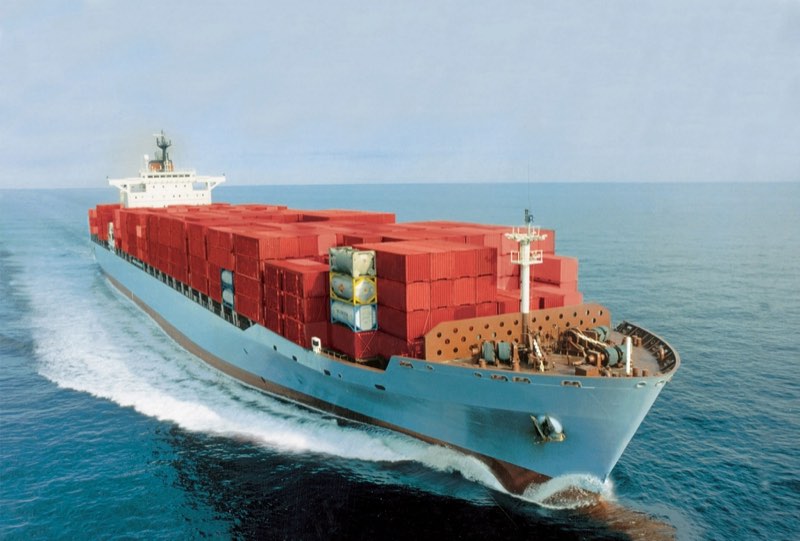
| Sea — FCL (full container) | 15–25 days port to port | Above roughly 15 CBM |
| Sea — LCL (shared container) | 20–35 days incl. consolidation | 1–15 CBM |
| Air freight | 3–7 days | Urgent or high-value goods |
| Express courier | 4–8 days | Samples and small parcels |
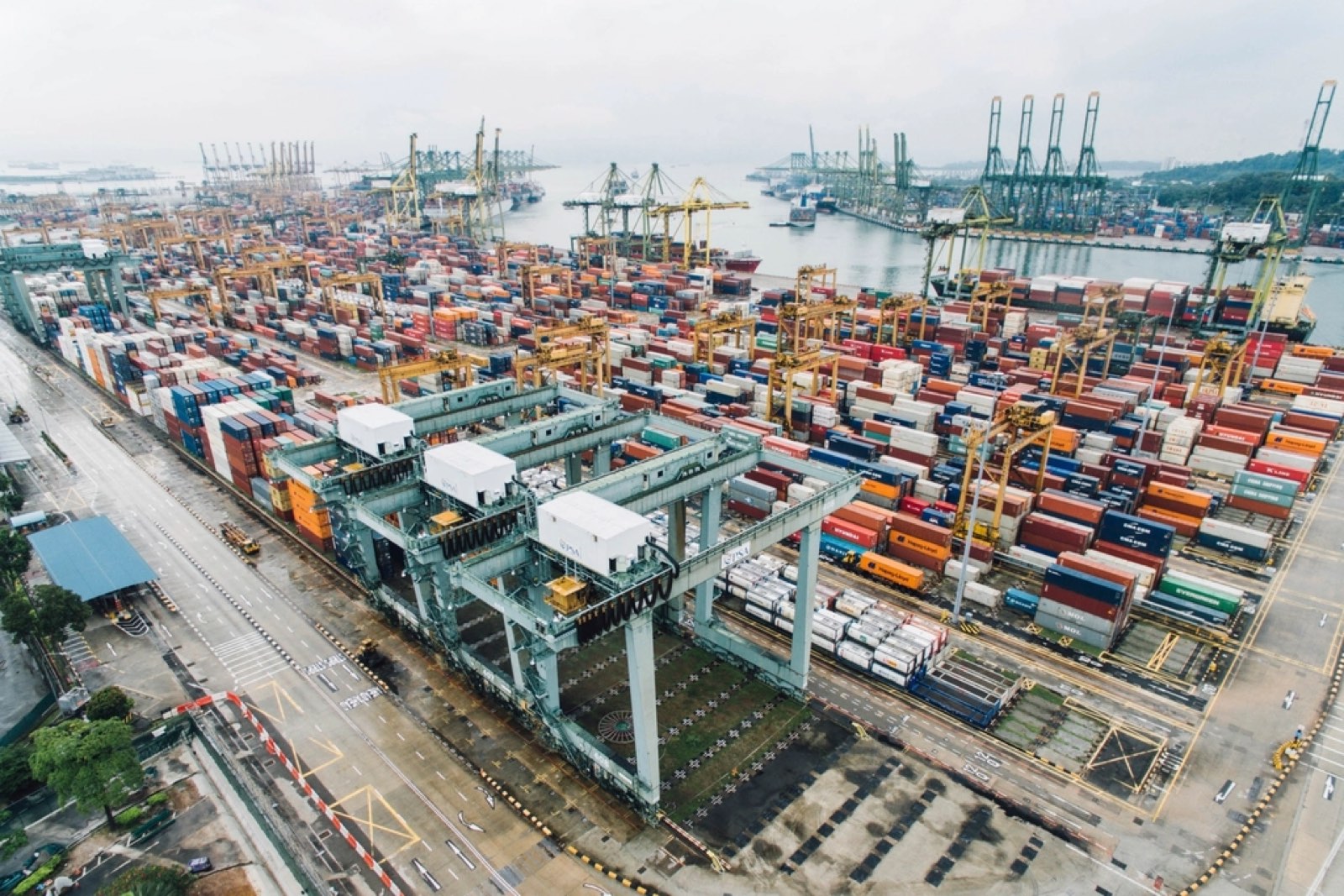
Main Indian destinations are Nhava Sheva (JNPT), Mundra, Chennai and Kolkata. For Delhi NCR, cargo usually lands at Mundra or Nhava Sheva and moves by rail to an inland container depot (ICD) such as Tughlakabad, Patparganj or Dadri, adding about a week. Compare options in FCL vs LCL.
Step 7: Customs clearance in India
Your customs broker (CHA) files a Bill of Entry on ICEGATE using the commercial invoice, packing list, bill of lading or airway bill, and any certificates (BIS, test reports, Certificate of Origin). Customs assesses the value, you pay duty online, and the goods are released after any examination.
Clearance usually takes 2–5 working days if documents are in order. The most common causes of delay are incorrect HS codes, undervaluation queries, missing BIS registration and packaging without Legal Metrology declarations.
What does importing from China actually cost?
Your landed cost per unit is the factory price plus everything it takes to get the goods into your warehouse:
- Product cost (FOB China)
- Sourcing agent fee and inspection
- International freight and insurance
- Customs duty: BCD + 10% Social Welfare Surcharge + IGST
- Port, CFS, broker and local transport charges
Use our free China-to-India landed cost calculator to estimate this before you order.
Frequently asked questions
Do I need a licence to import from China to India?
+
You need an Import Export Code (IEC) for commercial imports. Specific products may also need a BIS licence or registration under a Quality Control Order, or an import licence if they are restricted under the ITC-HS policy.
Can an individual import from China to India without IEC?
+
Small personal-use imports do not need an IEC, but any import for business or resale does. Getting an IEC is quick and done entirely online on the DGFT portal.
Is importing from China to India profitable?
+
It can be, when your landed cost — including duty, which can exceed 30–40% of value for some goods — still leaves a margin against Indian wholesale prices. Always calculate landed cost before ordering.
This guide is general information, not legal or customs advice. Duty rates and import rules change — confirm current requirements for your HS code with DGFT, CBIC or a licensed customs broker.