Quick answer
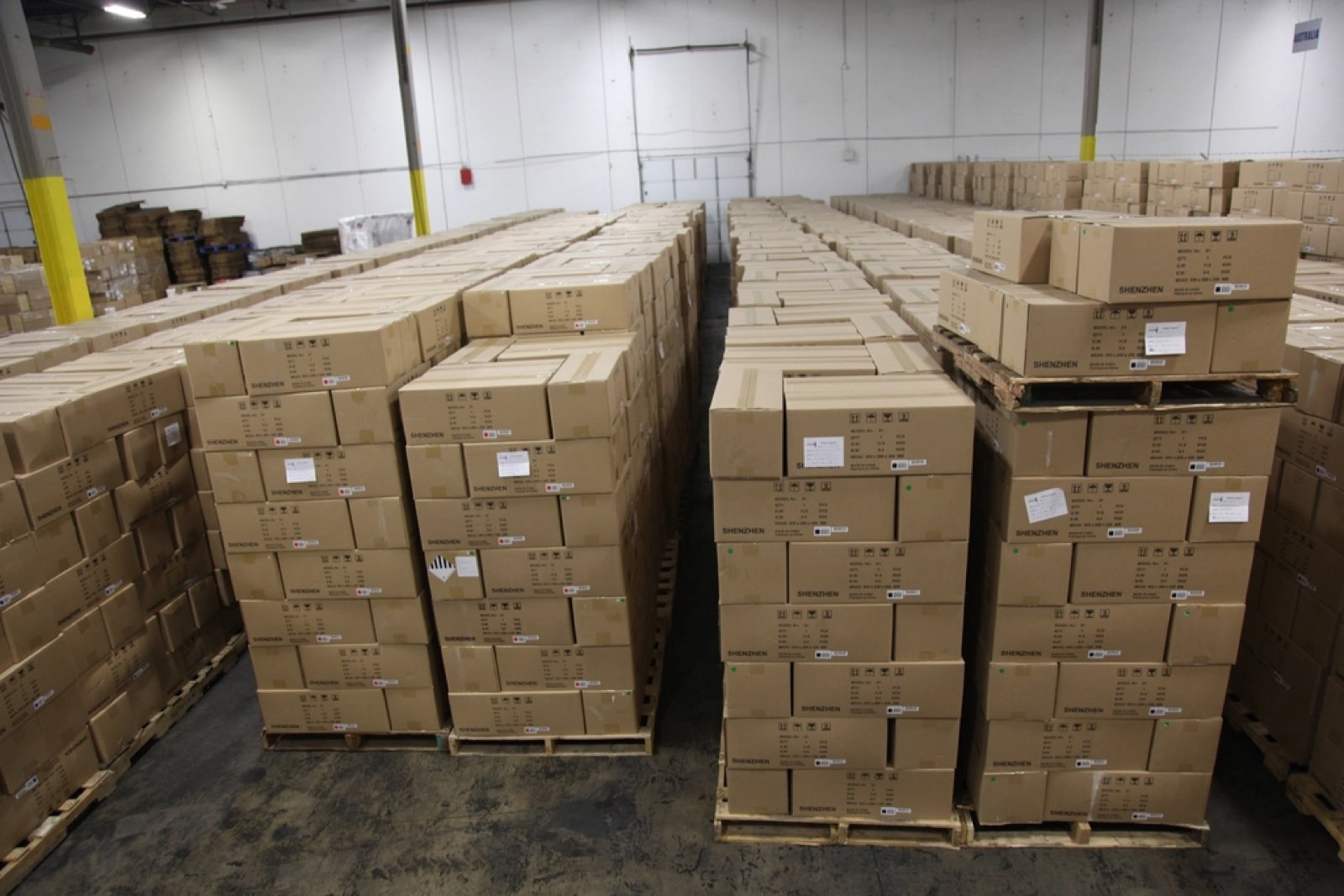
AQL (Acceptance Quality Limit) is a statistical sampling method, defined in ISO 2859-1 and ANSI Z1.4, that tells inspectors how many units to check and how many defects are allowed before an order fails. Most consumer-goods buyers use General Inspection Level II with AQL 0 for critical, 2.5 for major and 4.0 for minor defects.
How AQL sampling works
Checking every unit is too slow and expensive, so inspectors check a random sample. The sample size depends on the lot size (total units) and the inspection level. The AQL then sets the maximum number of defects allowed in that sample.
Critical, major and minor defects
| Type | Meaning | Typical AQL |
|---|---|---|
| Critical | Unsafe or illegal — sharp edges on toys, electrical hazards | 0 (none allowed) |
| Major | Product likely to be returned — doesn't work, wrong size, broken | 2.5 |
| Minor | Cosmetic — small scratches, loose threads | 4.0 |
Worked example: 1,000 units
For a lot of 1,000 units at General Inspection Level II, the sample size is 80 units.
| Defect type | AQL | Accept if ≤ | Reject if ≥ |
|---|---|---|---|
| Critical | 0 | 0 | 1 |
| Major | 2.5 | 5 | 6 |
| Minor | 4.0 | 7 | 8 |
So if inspectors find 6 major defects in the 80 units, the lot fails and the factory must sort, rework or replace before shipping.
What else a good inspection checks
- Quantity and carton count
- Packaging, labels, barcodes and India MRP labelling
- Function tests, measurements and on-site tests (drop test, colour fastness)
- Carton weight and dimensions against the packing list
See our quality inspection service.

Frequently asked questions
What does AQL 2.5 mean?
+
AQL 2.5 means the buyer accepts a defect rate of up to 2.5% on average across lots. In practice it sets how many defective units are allowed in the inspected sample — for example, up to 5 in a sample of 80.
This guide is general information, not legal or customs advice. Duty rates and import rules change — confirm current requirements for your HS code with DGFT, CBIC or a licensed customs broker.